
How it all began…

Hazel, Ozge and Serena
Ozge Alkan is a qualified children's librarian and this is her first book. Ozge met author Hazel Edwards at a literary event and suggested Hazel write a 'fun' story of a girl in a hijab who wants to play footy. Aware of the cultural challenges, Hazel suggested Ozge write it, but Ozge suggested they be co-creators.
Illustrator Serena Geddes and Hazel have been SCBWI members for ages. (Hazel was first Australian SCBWI ‘Other’ member when the category outside USA was called “Other” in the late 1970s? ) Hazel knew Serena would be the perfect illustrator for the project and now, after NINE YEARS, it is being performed as a play with Larrikin Puppeteers!


Professional organisations like SCBWI provide the serendipitous opportunities to share ideas and projects, locally and internationally. Hazel had admired Serena’s artwork, her ‘social issues’ compassion and professionalism since they met at a book launch of Susanne Gervay’s picture book ‘Gracie and Josh’. And Serena, who has Sri Lankan heritage, was prepared to put in extra effort for a project like ‘Hijabi Girl’, which had potential political resistance. They agreed that overcoming ignorance with humour in a children’s book was a tiny way to make a difference.
Ironically their ‘fiction predictions’ have happened in that there are now many girls’ footy teams with players in hijabs. Ozge is a keen Essendon supporter with a hijab in club colours.
Knockbacks
41 rejections from traditional publishers (some twice), so Hazel underwrote costs of self publishing with BookPod after hijabi wearing Ozge was bailed up after the Lindt cafe incident.
Political ’terrorism’ events influenced attitudes against Hijabi Girl book; Lindt Cafe, Christchurch Mosque, anti-hijab social media
Their concern that they’d be seen as capitalising on tragedy, when they wanted to show individual tolerance and fun at a child’s level.
TV option fell over as football clubs liked to initiate their own junior footy series.
Pandemic postponed ‘Hijabi Girl the Musical’ tour.
Being ‘left off’ book lists because of ‘Hijab’ in the title. We aimed at mainstream schools as well as Islamic ones.
Significant things which happened.
Attitudes towards Islamic ‘diversity’ slowly changed. ‘I love reading about a girl like me!'
Craigieburn Library launch with 62 languages. Sold ALL books.
Teachers’ notes were culturally useful for non-Muslim educators.
Watsonia Primary performed the class play script
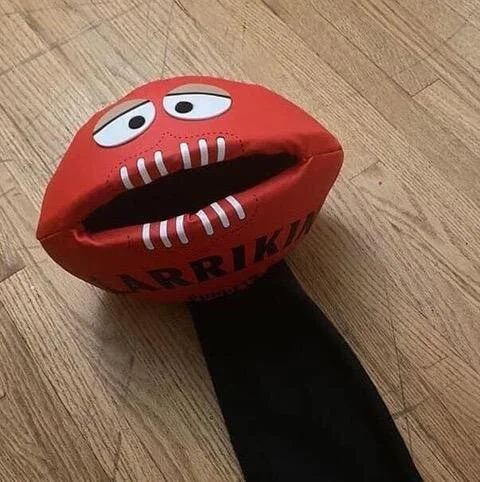
Hazel met Larrikin Puppets via a Facebook request for picture books to perform. Suggested ‘Hijabi Girl’ for schools rather than the picture books for kinders which Larrikin specialised in.
Crowd Fundraising for actual puppet-making over subscribed.
Ozge invited Hazel to her school, the Immigration Museum Hijabi Fashion history parade and her local Iftar beside the Mosque.
Using international puppet makers and always crediting the creators
Hazel audio recording ‘Hijabi Girl’ for Vision Australia
Tamworth Library junior ‘trial readers’ of subsequent books in series. ‘Any more stories?” via fab librarian Amy R.
Student in a hijab dressed up as ‘Melek’ book character for Book Parade/ Her choice.
Re-issuing three Hijabi Girl books in a series with Islamic international bookseller Ali-Gator
Goannas was the suggested name for the girls' footy team when we polled our readers?
Hazel persisted with PR interviews and Larrikin Puppeteers auditioned child actors voices , employed the best puppet-makers internationally. They worked SO hard.
Mid pandemic Larrikin Puppeteers did an online performance for Hazel’s grandson’s birthday in Darwin.
Ozge had 2 babies and Hazel had two more grandsons during 9 years to get production up and series of three books completed.
Find out more:
https://www.hazeledwards.com/hijabi-girl.html Book page of latest news, reviews, photos, clips and resources for ‘Hijabi Girl. Also has Hijabi Girl Teacher Resources. https://hazeledwards.com/files//Hijabi_Girl_/Teachers_Resources_Hijabi_Girl.pdf
https://youtu.be/WSdjaWrBSWY Larrikin Puppeteers’ successful submission to Artour for 2021/2 Qld touring. Details of ‘Hijabi Girl’ content and process. Vital case study of persistence.
Ali-gator http://www.ali-gator.com/index.php?route=information/information&information_id=4 Also have an Islamic schools book club Former publisher was Bookpod. Excellent but important to have the broader distribution via international schools & book clubs with Ali-Gator. And to provide books for puppetry tours.
Serena Geddes new website http://www.serenageddes.com/

